My mortgage payments are killing my retirement — is a reverse mortgage the answer?
A practical Canadian framework for deciding whether a reverse mortgage can improve retirement cash flow when traditional mortgage payments are too heavy.
By Scott Dillingham · AMP · Licensed mortgage agent with Mortgage Architects Inc. – LendCity Mortgages (FSRA #12728) · Last updated May 22, 2026
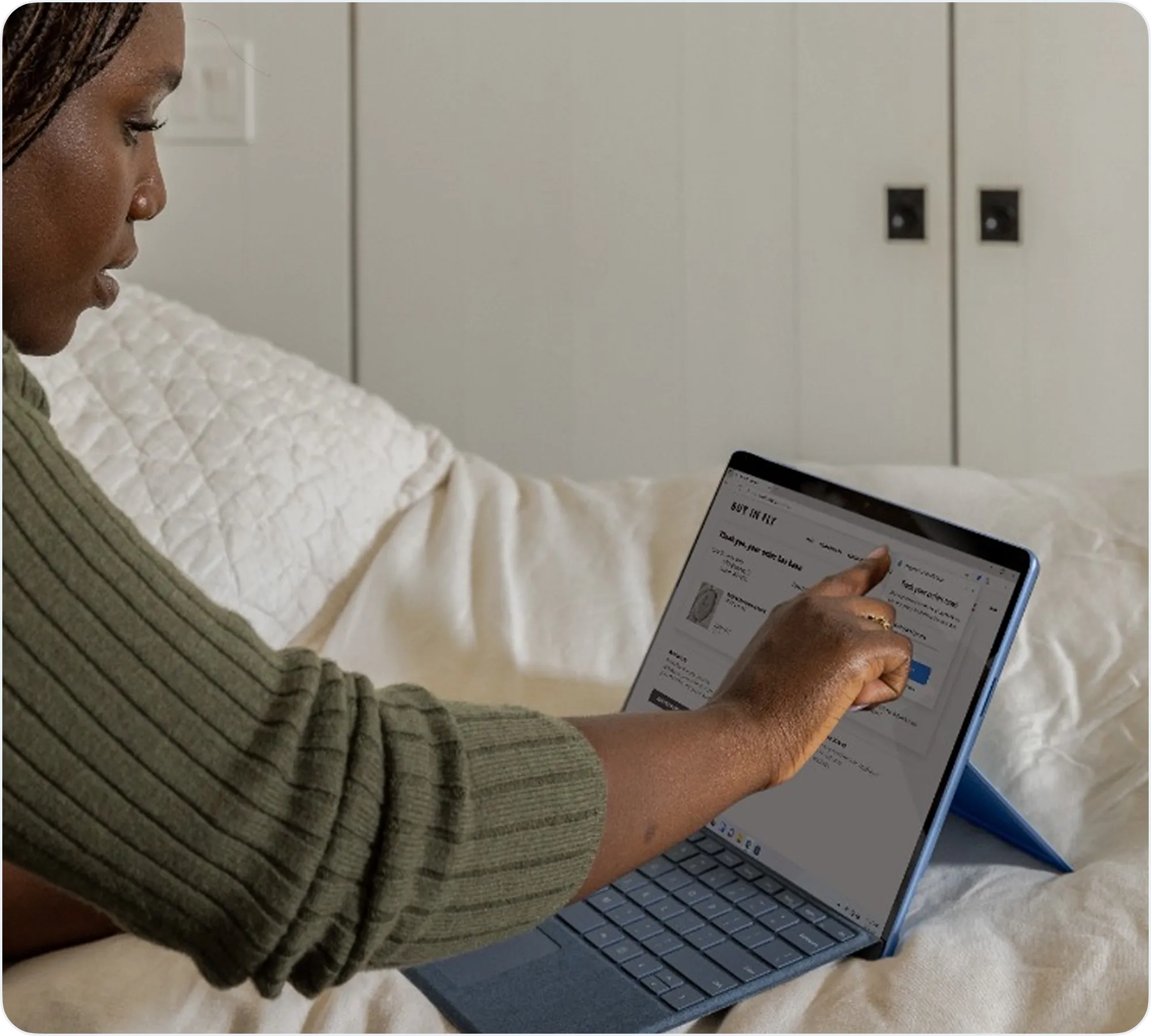
If your monthly mortgage payment is eating up the cash you need for groceries, utilities, travel, or family support, you are not alone.
For many Canadian homeowners 55+, the home is valuable but monthly income is tight. That mismatch is exactly where a reverse mortgage can be useful — but only if it improves your situation after comparing alternatives.
Why this problem shows up in retirement
Most retirees have fixed or semi-fixed income (CPP, OAS, pension, RRIF withdrawals). Mortgage payments, by contrast, are fixed obligations that do not care whether your monthly income changed.
When those two realities collide, people often feel forced into choices they do not want:
- Sell the home earlier than planned
- Draw RRIF funds aggressively and trigger tax/benefit drag
- Carry high-interest consumer debt to bridge shortfalls
When a reverse mortgage can help
A reverse mortgage may fit when:
- You want to stay in your current home
- Cash flow is the primary issue
- You prefer no required monthly mortgage payment
- You are comfortable with interest compounding on the loan balance
Start by running the loan estimate calculator and HELOC comparison.
When it may not be the best answer
A reverse mortgage may not be ideal if:
- You are likely to move in the near term
- You can comfortably qualify for and service a lower-cost HELOC/refinance
- Downsizing clearly produces better financial and lifestyle outcomes
Use the downsizing comparison calculator before deciding.
A practical decision framework
Ask these three questions:
- Cash flow: Does this remove monthly pressure now?
- Flexibility: Does this preserve the options you care about later?
- Tradeoff: Are you comfortable exchanging some future equity for present stability?
If the answer is yes across all three, a reverse mortgage is worth serious consideration.
Final thought
A reverse mortgage is not a “last resort” product when used correctly. For many homeowners, it is a structured way to turn housing wealth into retirement stability without being forced to move.
If you want a second opinion tailored to your province and lender options, book a no-pressure consultation.
Stay in your home.
Compare CHIP, Equitable, Bloom, Home Trust, and Fraction with a licensed mortgage expert. No fee to use this site.